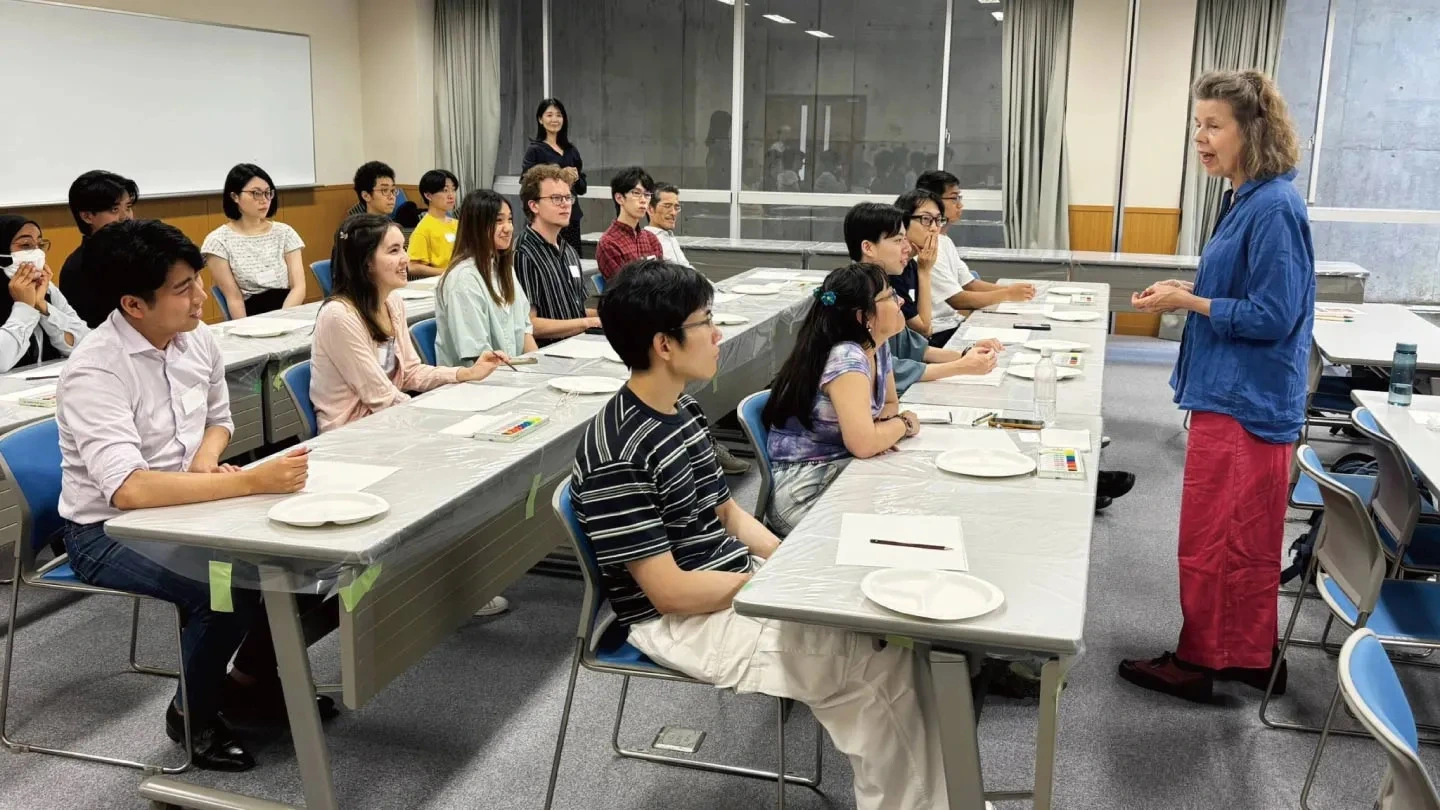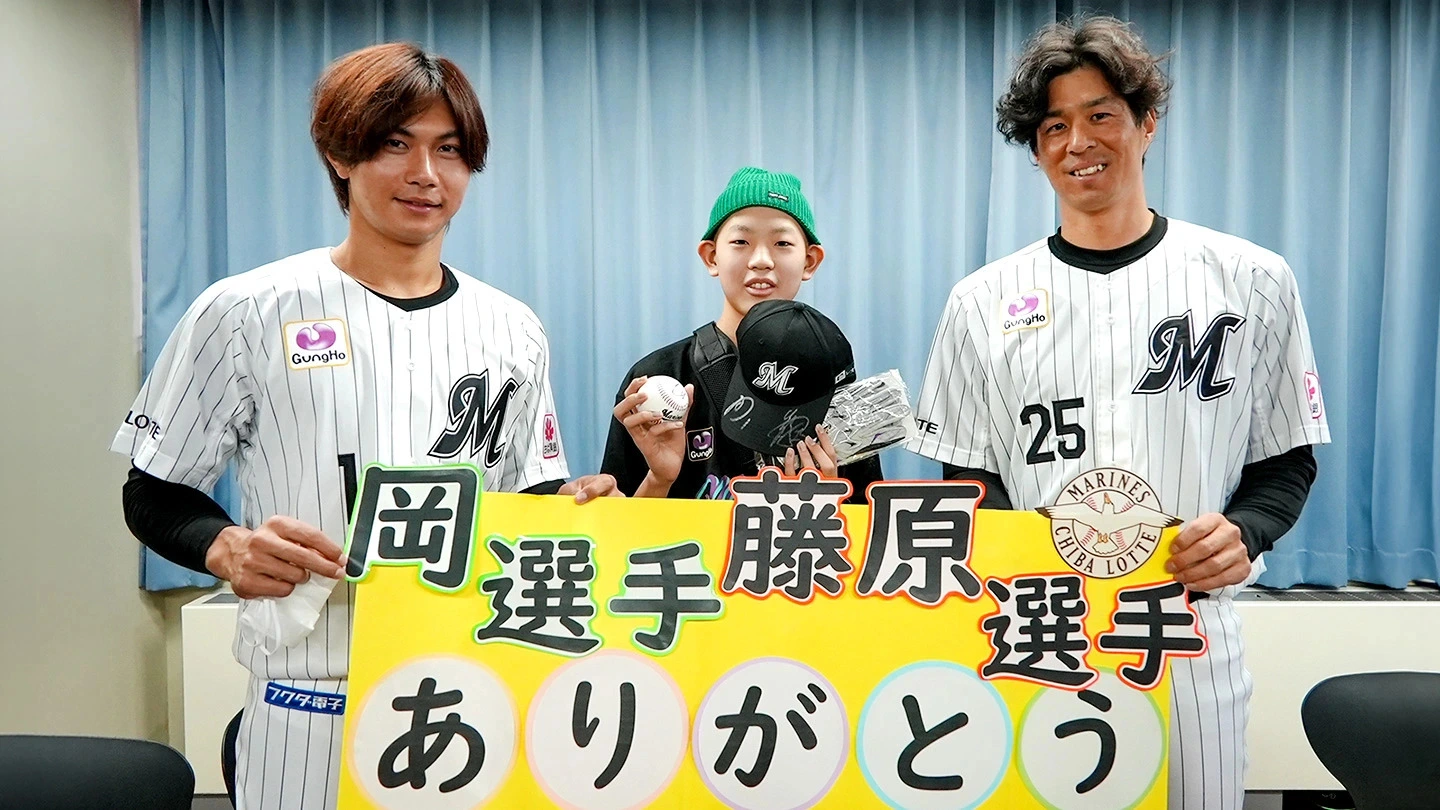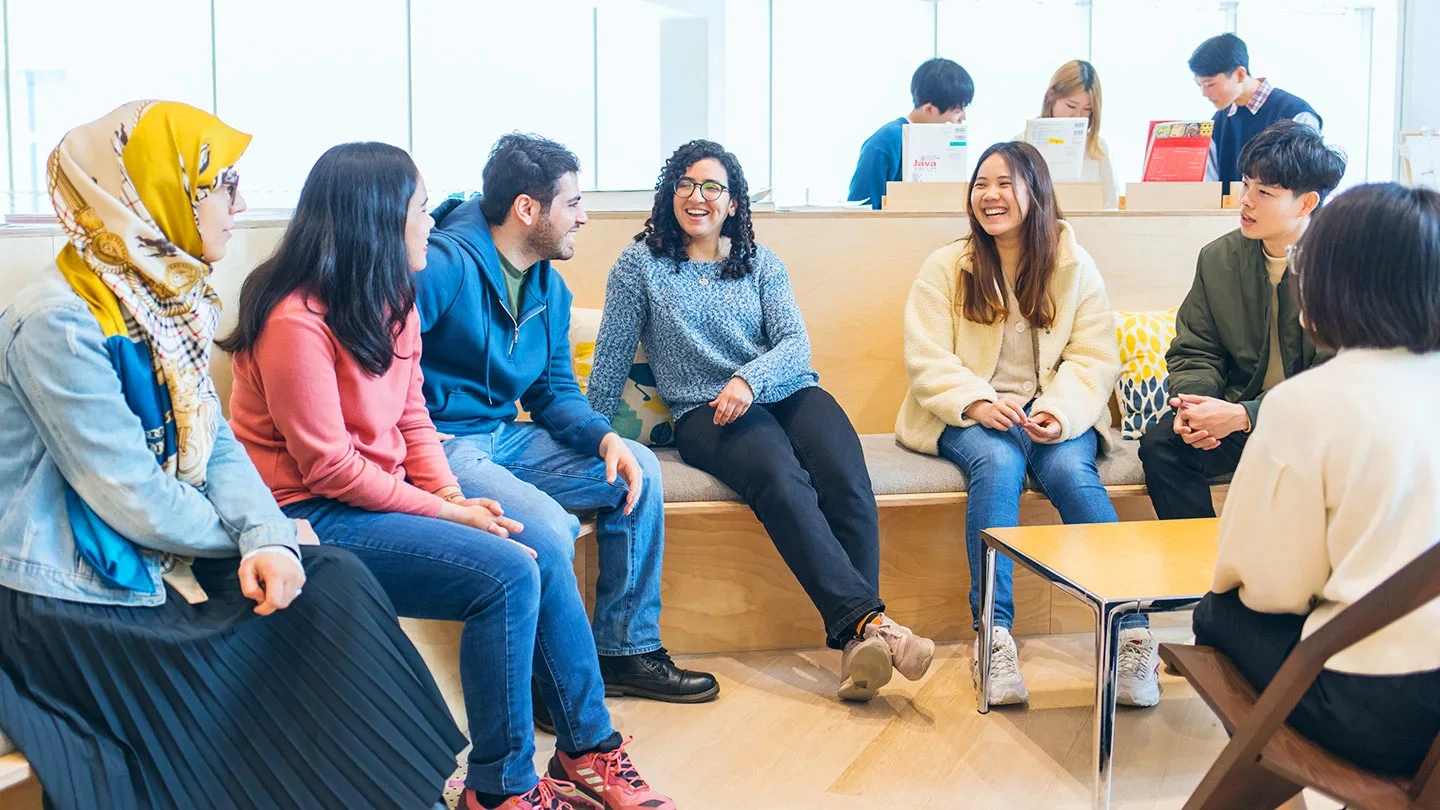
東京科学大学(Science Tokyo)は、研究成果やニュース記事、学生の活動などを国内外へ広く紹介する研究者・留学生向け英文メールニュース「Science Tokyo Bulletin(ブリテン)」を定期的に配信しています。この度、Science Tokyo Bulletin #6 — July 2026を発行しました。
メールでの配信をご希望の方は申し込みフォームからご登録ください。
- Science Tokyo Bulletinは英語で配信を行っていますが、コンテンツは一部を除いて日英両方で掲載しています。
Highlights
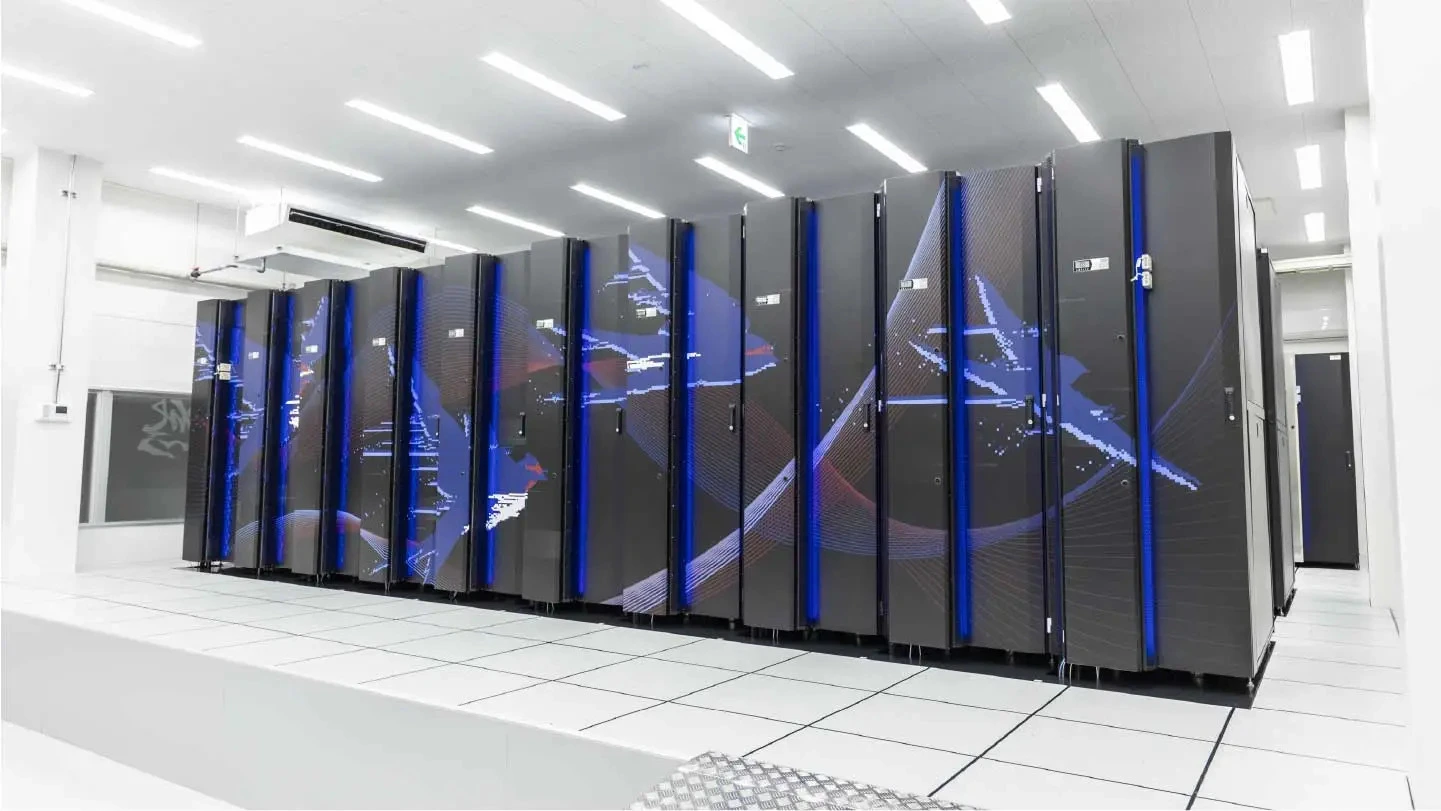
"Supercomputer for Everyone, and More" TSUBAME4.0 introduction videos released
Science Tokyo has released four introduction videos on its supercomputer TSUBAME4.0 on the official Science Tokyo YouTube channel. The release includes two videos for general audiences that provide an accessible overview of TSUBAME4.0 in Japanese and English, and two in-depth videos for specialist audiences with English narration and either Japanese or English subtitles.
Research
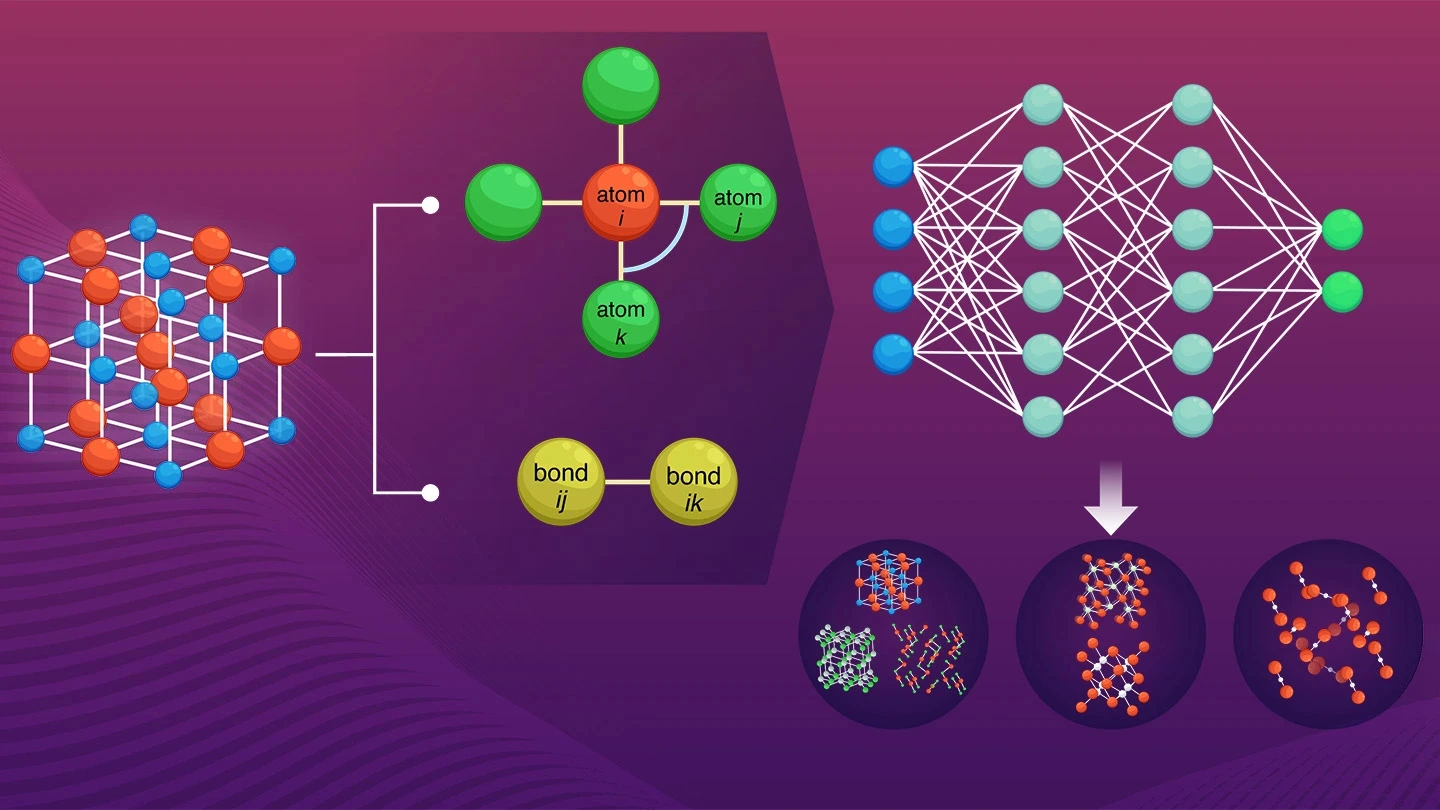
Interpretable AI in materials discovery: uncovering how models make predictions
The proposed method extracts insights from AI models and groups materials by both structural and optical spectral similarity. This approach can be extended to reveal how atomic arrangements influence other material properties, paving the way for more efficient materials design.
Shedding light on how hydrogen cyanide formed on early Earth
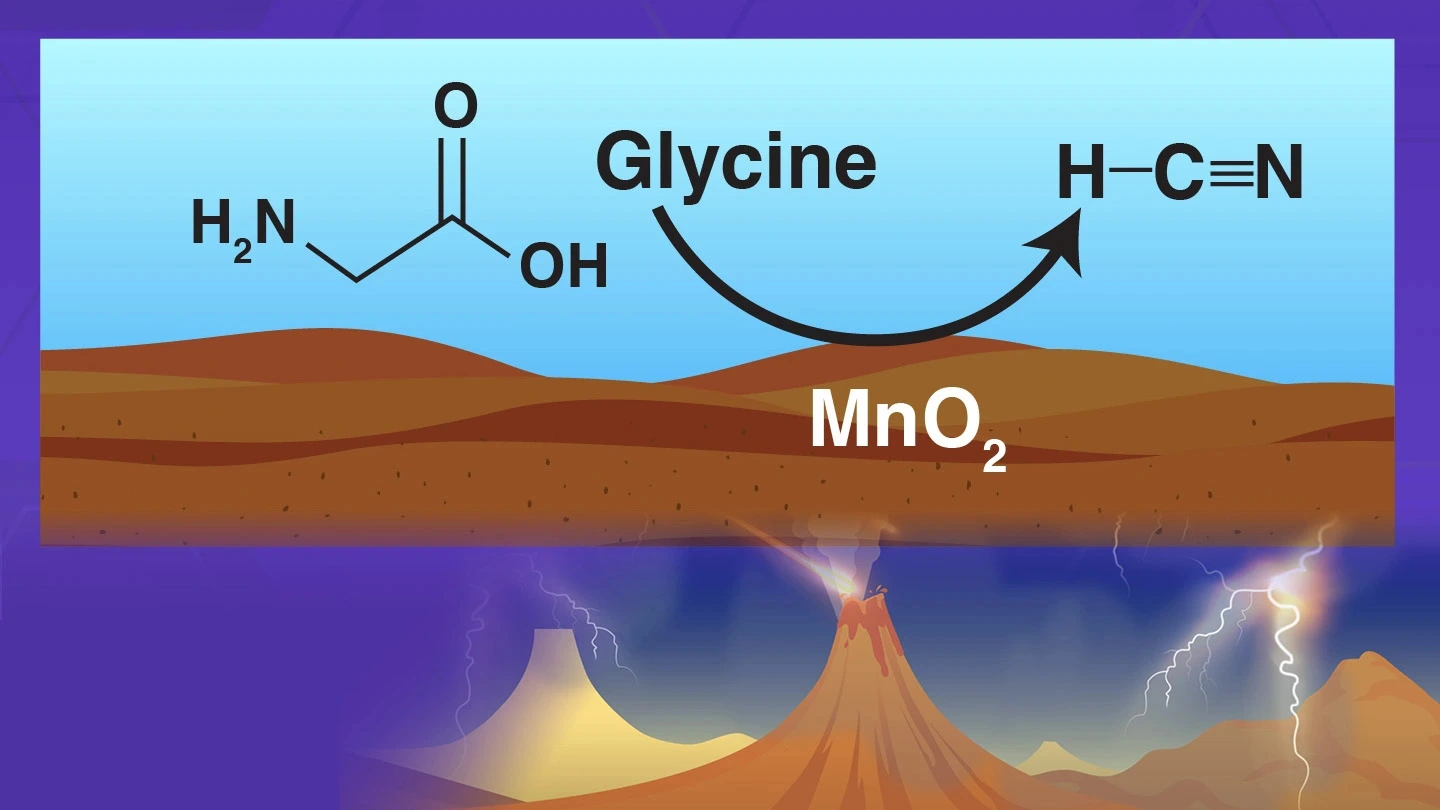
Manganese dioxide can convert amino acids into hydrogen cyanide (HCN) without requiring methane, solving a long-standing puzzle about the origin of this key prebiotic molecule on early Earth, as reported by researchers from Science Tokyo. Although HCN is central to origin-of-life theories, recent evidence suggests early Earth's atmosphere didn’t contain sufficient methane needed for classic HCN-producing reactions. HCN could instead have been continuously supplied from abundant amino acids.
Postbiotic foods for improving gum health
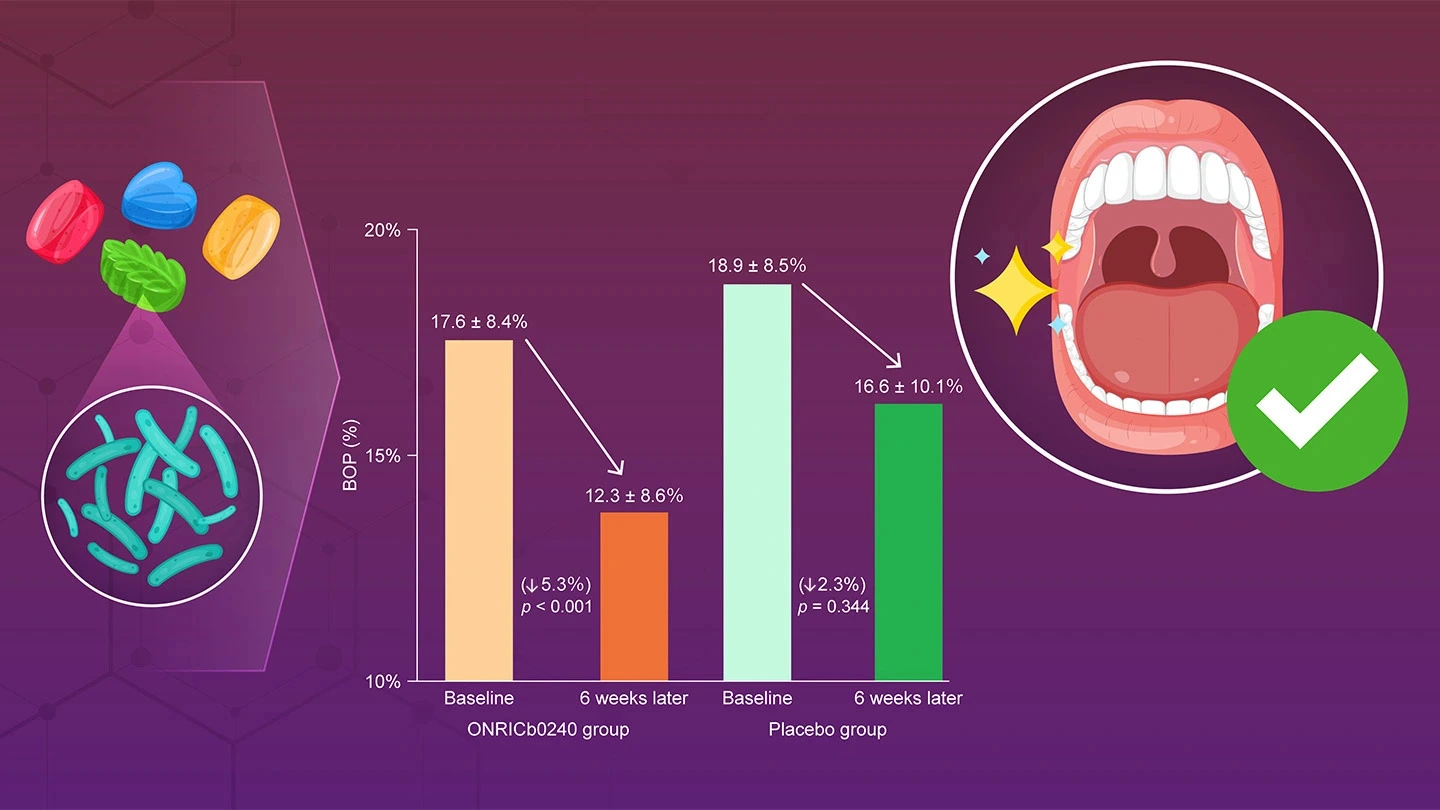
Foods containing heat-inactivated bacteria help reduce gum bleeding and improve inflammatory conditions. Postbiotic foods can improve inflammatory conditions and enhance gum health in adults with mild gingivitis.
How Macau strengthened its typhoon resilience without massive seawalls
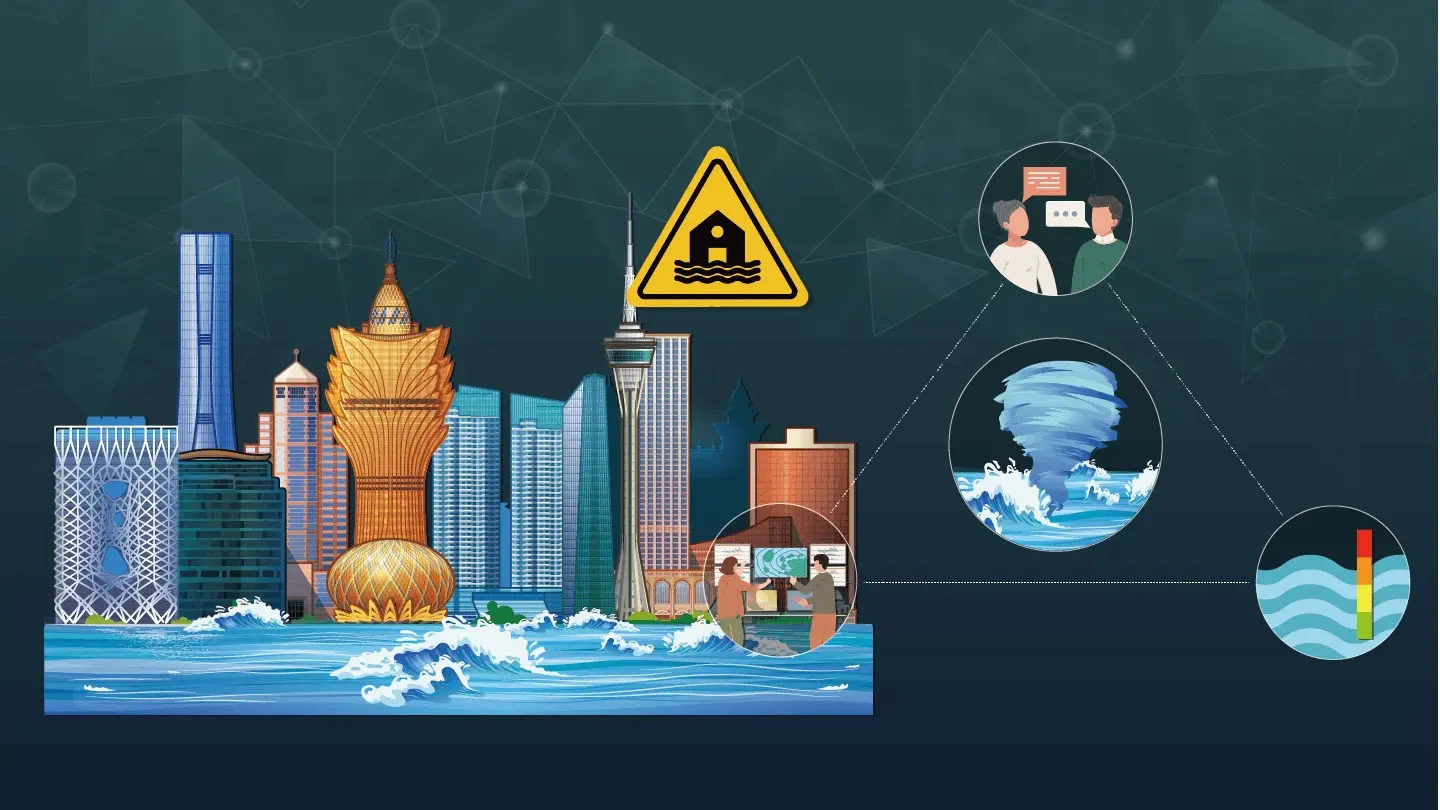
Earlier warnings, evacuation guidance, and public trust helped reduce disaster impacts during Typhoon attacks in Macau after analyzing the city’s responses to three major typhoons.
Smarter search for fuel-cell catalysts using machine learning
A computational method combining generative AI with atomistic simulations can identify promising platinum alloy catalyst structures for hydrogen fuel cells, report researchers from Science Tokyo. Their approach addresses a longstanding challenge in catalyst design and consistently produces high-performing candidates from several material combinations.
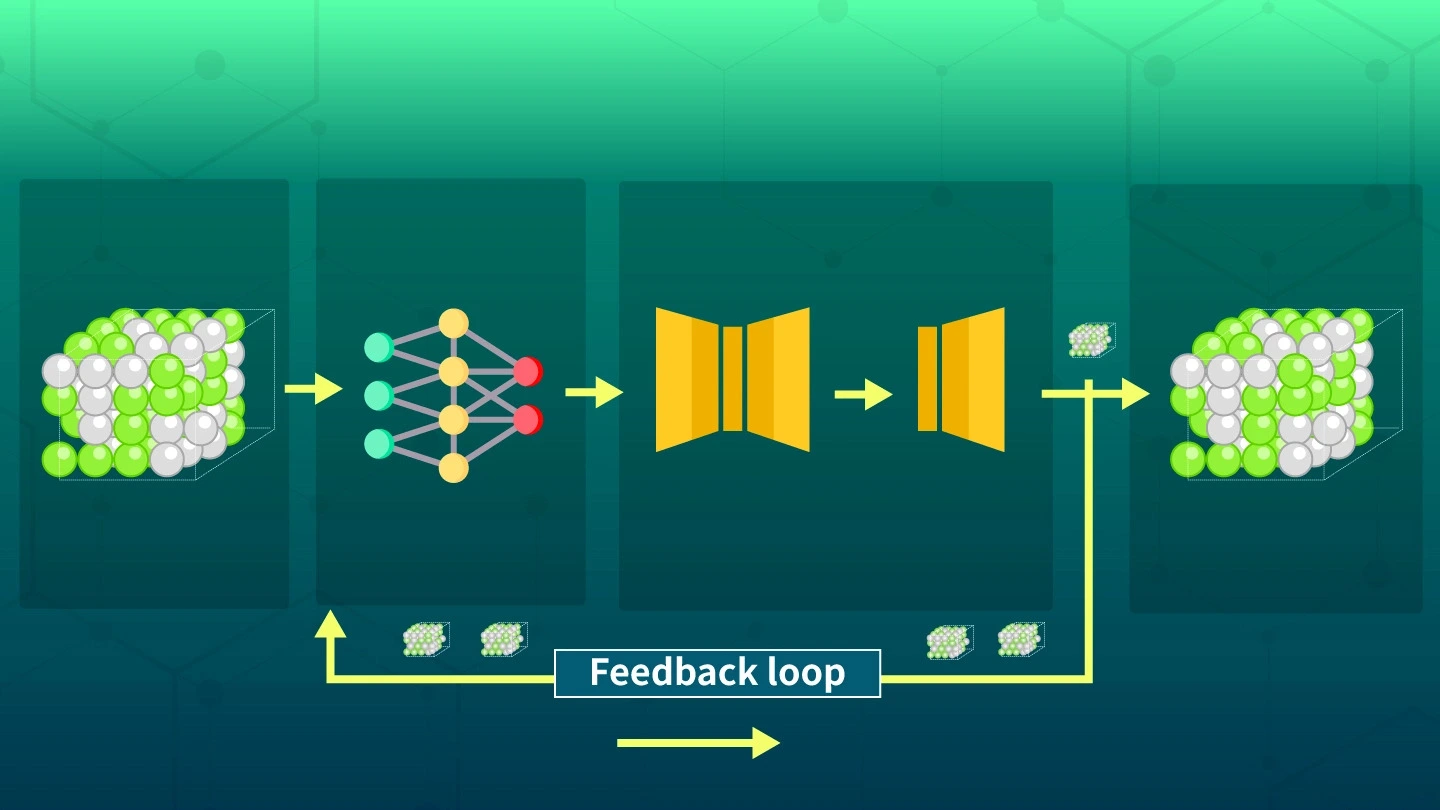
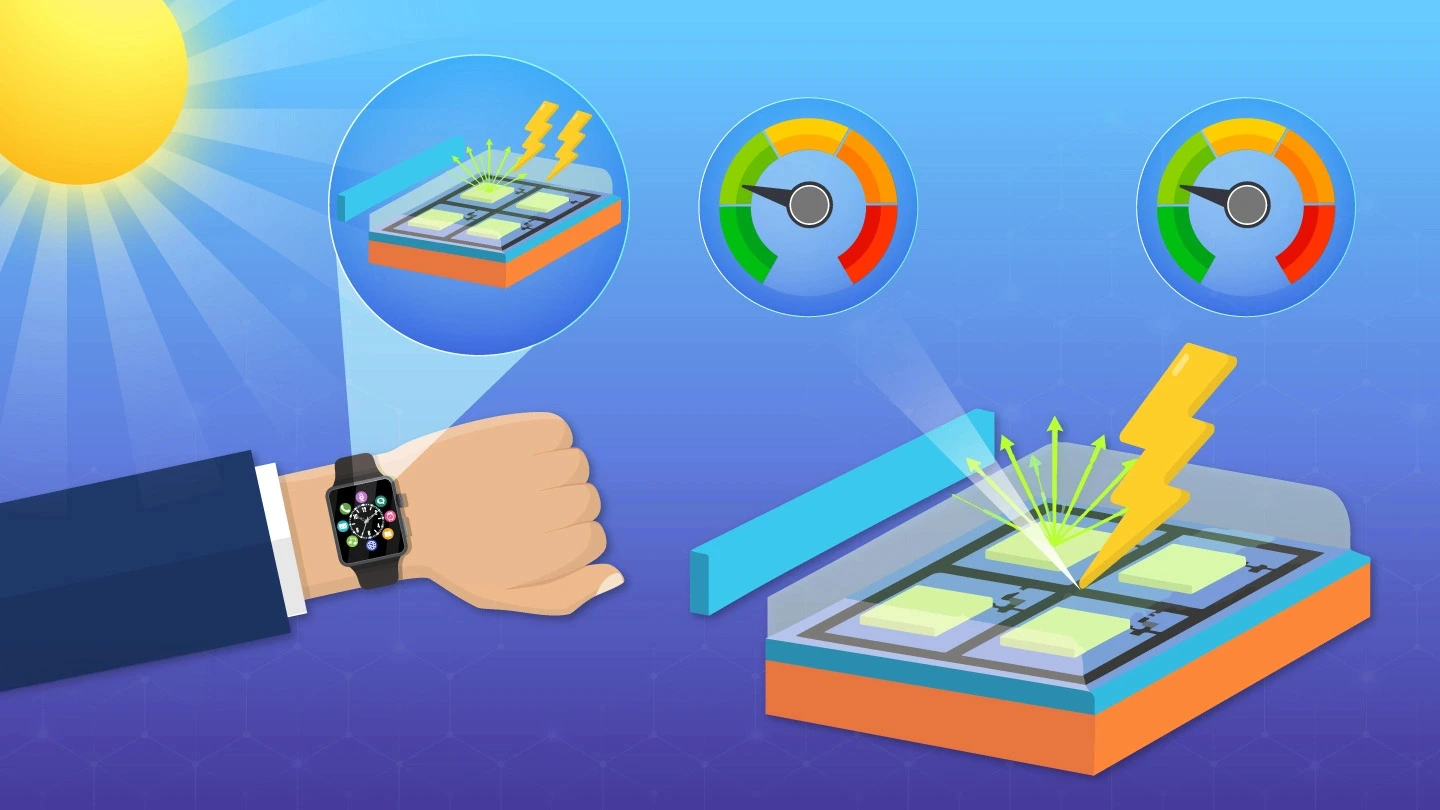
Toward power-generating displays: a single device that harvests and emits light
A newly developed organic semiconductor device can both generate electricity from light and emit bright visible light. By carefully designing a material where energy losses are suppressed, the team achieved efficient power conversion and electroluminescence simultaneously, demonstrating a multifunctional platform with potential applications in displays, sensors, and energy-harvesting technologies.
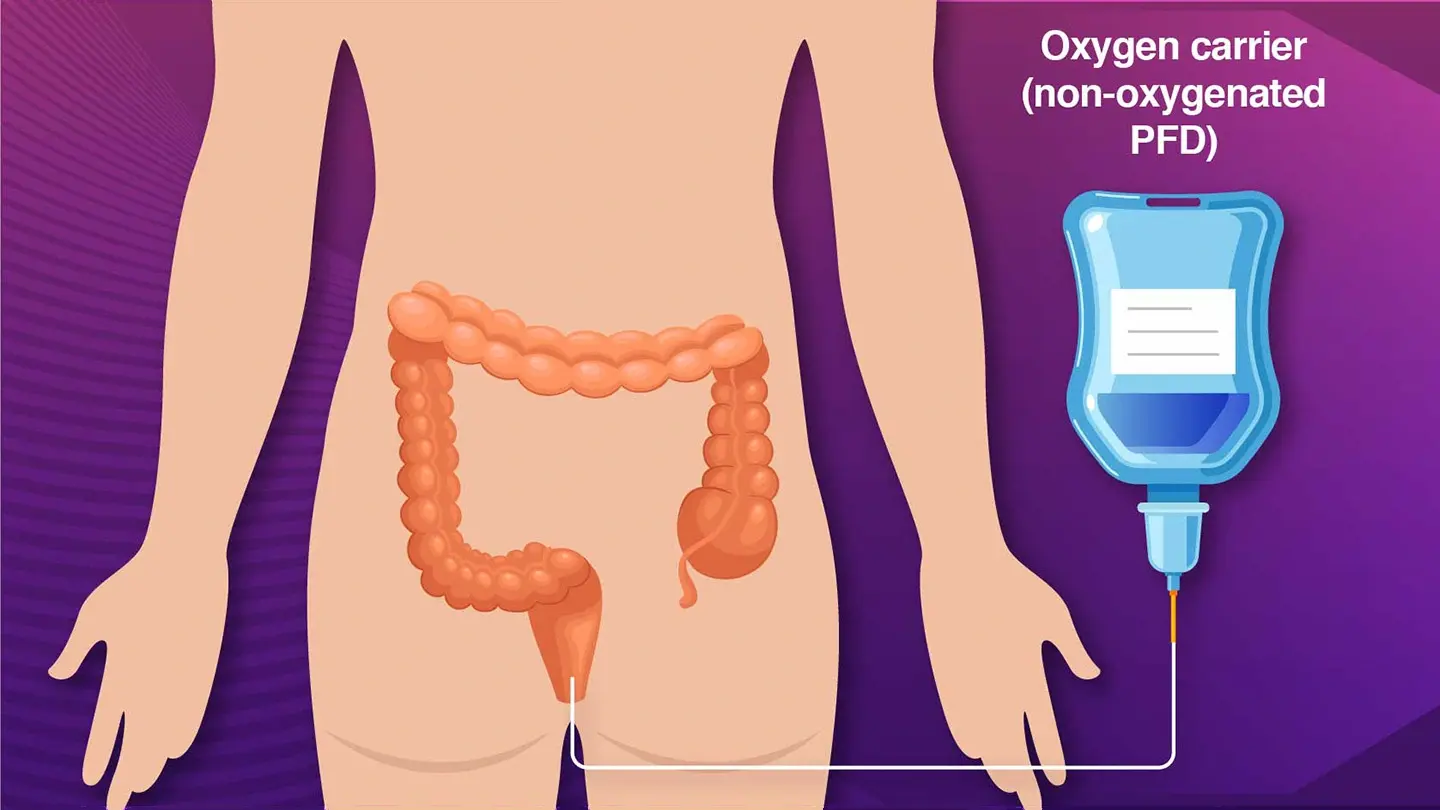
Delivering oxygen through the intestine: enteral ventilation shows promise in human trials
Early clinical trial suggests oxygen delivery through the intestine may offer a safer alternative for patients with respiratory failure.