Six Tsukamoto Lab students and Kana Ishibashi win Good Design New Hope Award 2026
Two works created by Science Tokyo students have been selected for the Good Design New Hope Award 2026, the Japan Institute of Design Promotion — a public interest incorporated foundation — announced on October 30.
The “Haniyasu Kiln” was selected as a winner in the Space Design category, while the “Development of a large-scale 3D-printed assistive device enabling people with physical disabilities to participate in cell biology experiments” won in the System Design category.
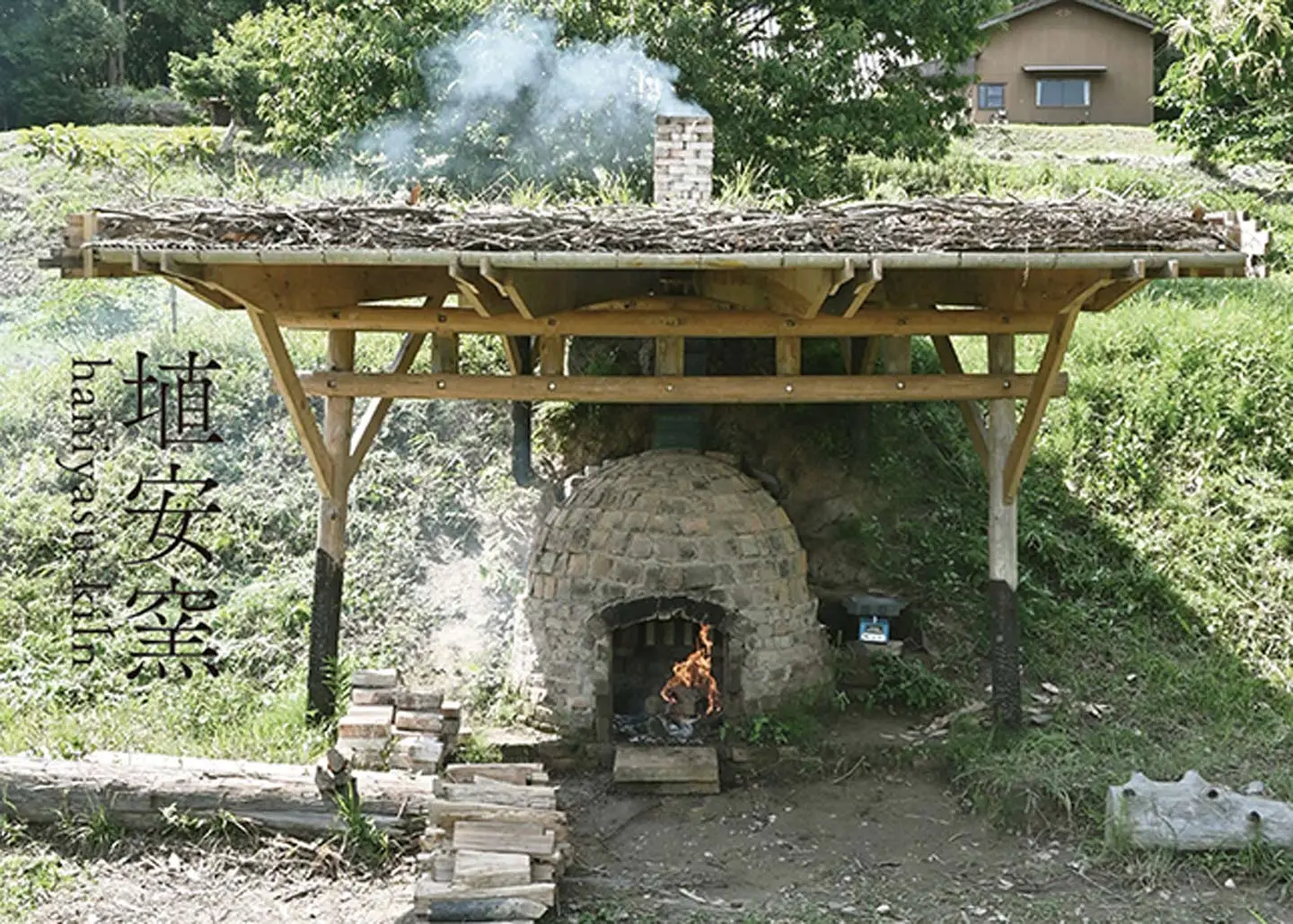
Haniyasu Kiln — Space Design award winner
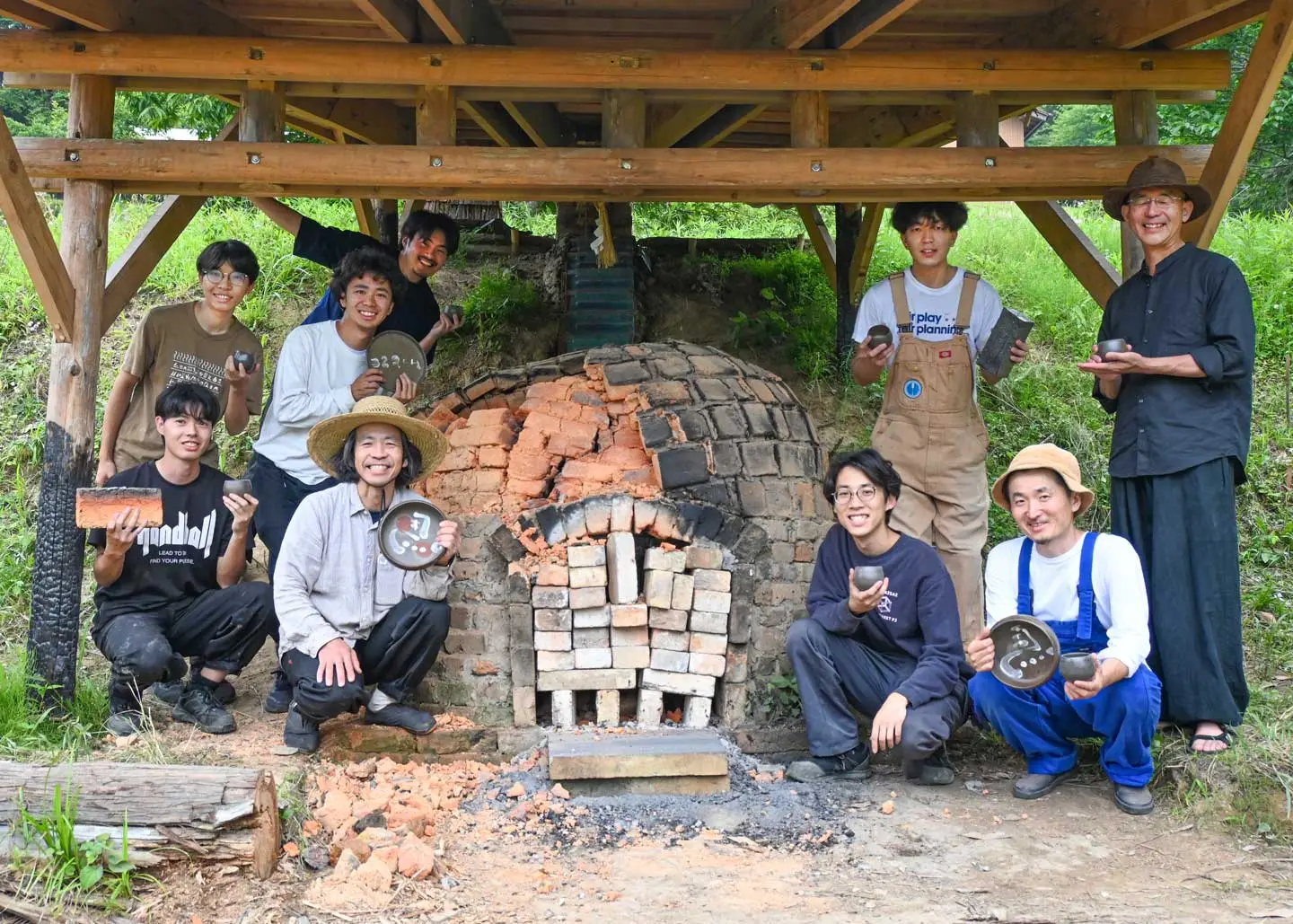
Creators
- Sota Ominato, 2nd-year master’s student, Architecture and Building Engineering
- Kota Kashiwagi, 2nd-year master’s student, Architecture and Building Engineering
- Kanki Fujii, 2nd-year master’s student, Architecture and Building Engineering
- Tento Nishiumi, 2nd-year master’s student, Architecture and Building Engineering
- Takeru Mizuno, 2nd-year master’s student, Architecture and Building Engineering
- Keita Yoshihira, 2nd-year master’s student, Architecture and Building Engineering
Description of project
In the satoyama landscape of Chiba Prefecture, the team created bricks using byproducts generated from environmental conservation work and used them to build a pottery kiln. The project involved transforming materials derived from activities within the community — ranging from rice farming to forest management — into bricks, pottery, and tiles for reuse. The team designed the kiln not as a standalone facility, but as a space that connects forests, rice paddies, gardens, and traditional houses, facilitating the circulation of resources and fostering a healthy environment. The team members are all students of Professor Yoshiharu Tsukamoto’s laboratory at Science Tokyo’s School of Environment and Society and undertook this project as part of their lab activities.
Comments from judges
This project was highly vernacular in nature. The very concept of the kiln — which takes shape through a continuous engagement with the materials used — was exceptionally powerful. The way in which a rich, rural lifestyle has begun to take root around the completed kiln could truly be described as “space design.”
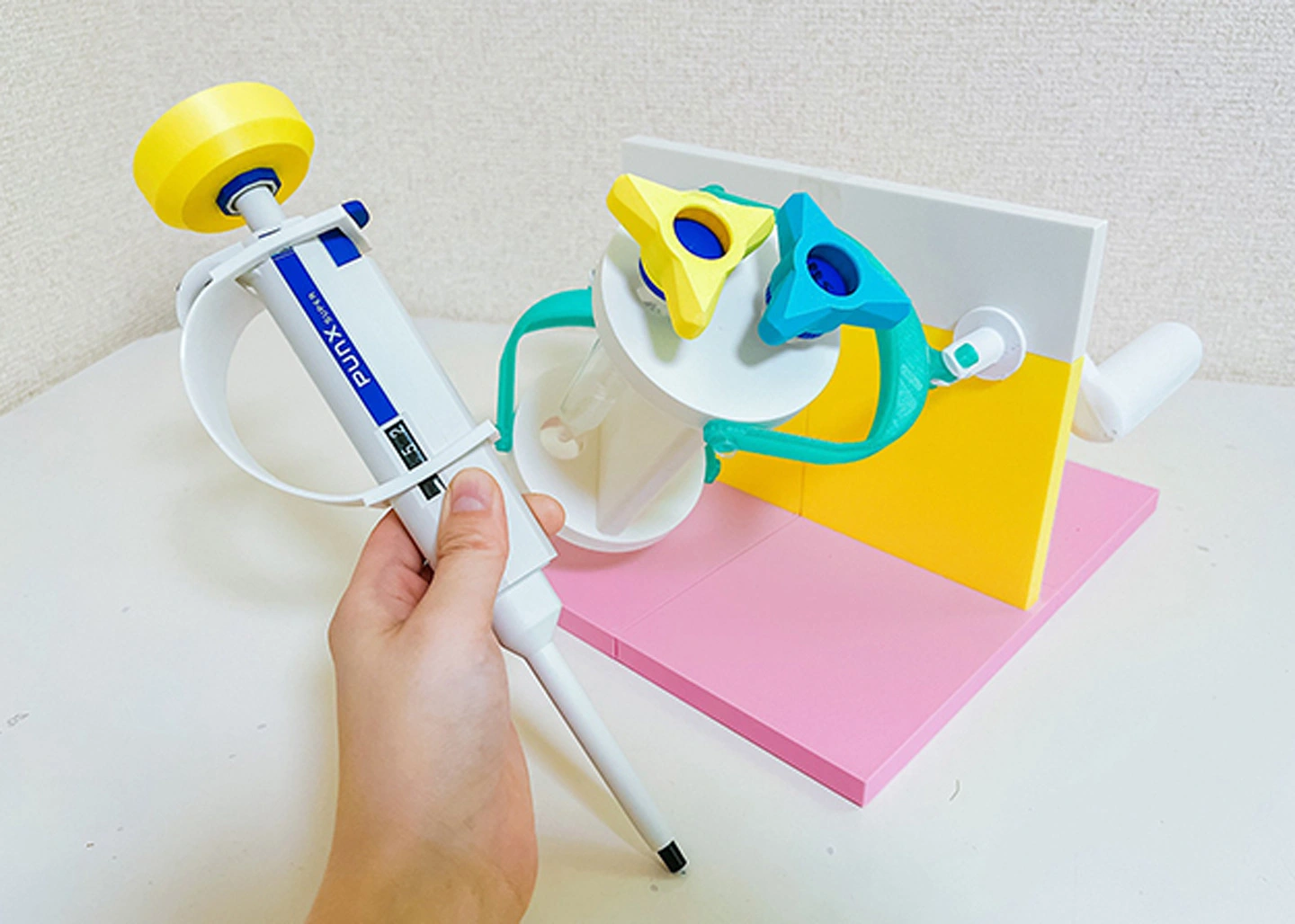
Development of a large-scale 3D-printed assistive device enabling people with physical disabilities to participate in molecular biology experiments — System Design award winner
Creator
- Kana Ishibashi, 4th-year doctoral student, Medical and Dental Sciences track
Description of project
This is a large, 3D-printed assistive device designed to support the safe participation of people with physical disabilities in molecular biology experiments. It is primarily intended for individuals who have difficulty using one arm and have reduced muscle strength in the other, and its design also accommodates visual impairments such as low vision and color blindness.
Comments from judges
This project was recognized for the creator’s ability to develop an experimental self-help device that enables one-handed operation through repeated trial and error, based on her own personal experiences. With the passion and knowledge she possesses, we hope she will adapt this technology for people with a wide range of conditions and become a researcher who creates real impact in society.